

In classical Chinese,
the words for medicine, 藥 yuè
and music, 樂 lè
share the same root.
樂, silk strings (丝) over wood instruments (木)
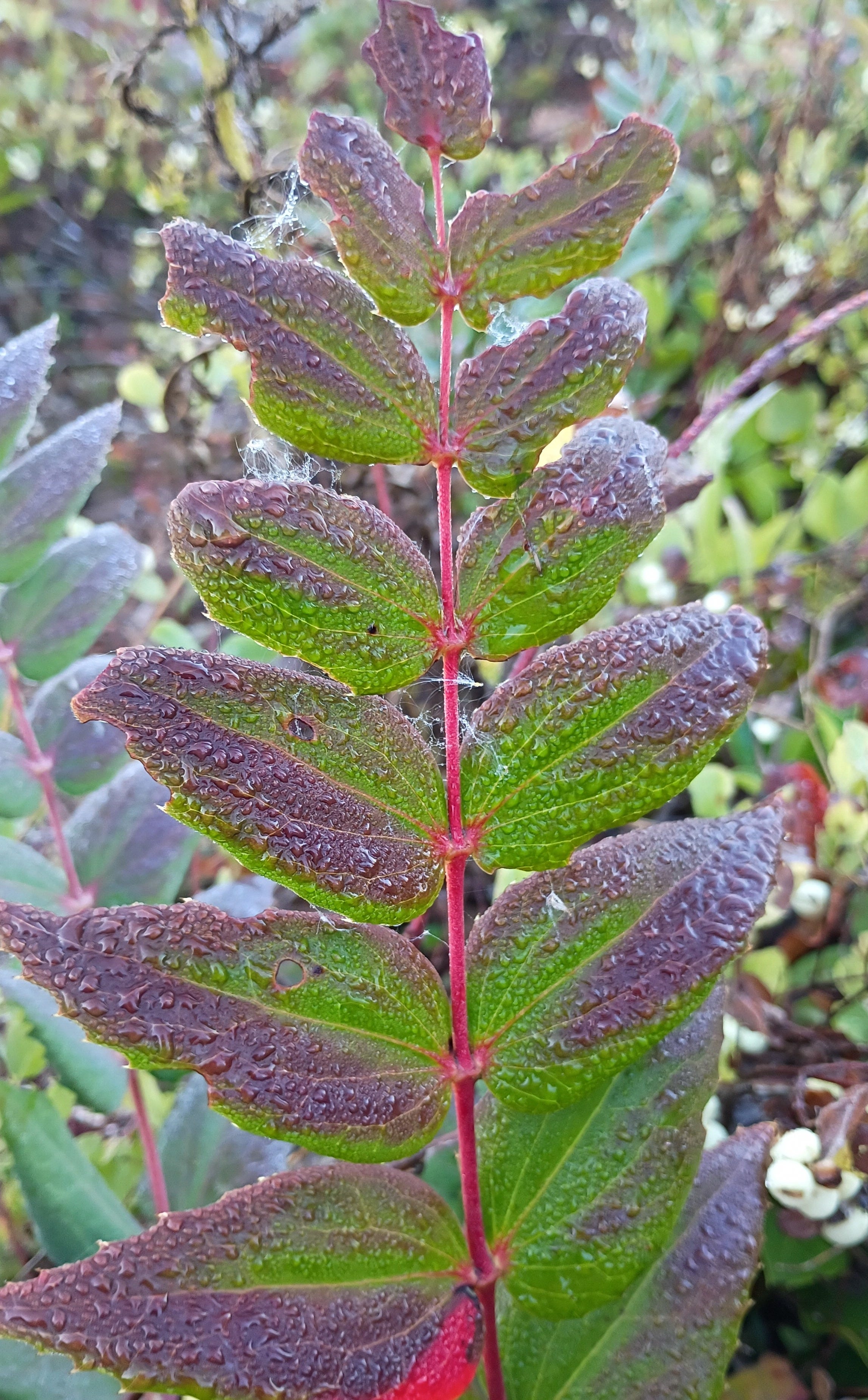
藥, the “music” of plant life (艹)

What Medicine Really Is
Deep within the memory of the human heart,
there was a time when
medicine was not chemicals
extracted, often with cruelty,
from plants and animals,
mixed with fillers,
pressed into pills,
and sold.
Medicine was an elixir of vitality,
already bestowed upon
every human body
at birth—
a living energy
we can touch
when the mind grows quiet
and attention turns inward.
In that quiet,
we may begin to feel the body
as a single droplet of water
within a vast sea of belonging.
We may remember
our birthright:
the body’s ancient knowing
of how to mend,
how to restore,
how to return itself
toward wholeness.
There was a time
when a healer sang,
or danced,
or spoke a chant,
and a few lines of poetry,
to awaken this memory
in another body.
Not a dance
performed to please an audience.
Not a song
to display the musician’s virtuosity.
Not a poem
to prove the poet’s mastery of words.
Song, dance, and poetry
were simply
embodied messages of awakening—
a gentle knock at the door of remembrance,
a call from one living body
to another,
a cry of remembrance
from a healer’s heart
to the heart of the world.